
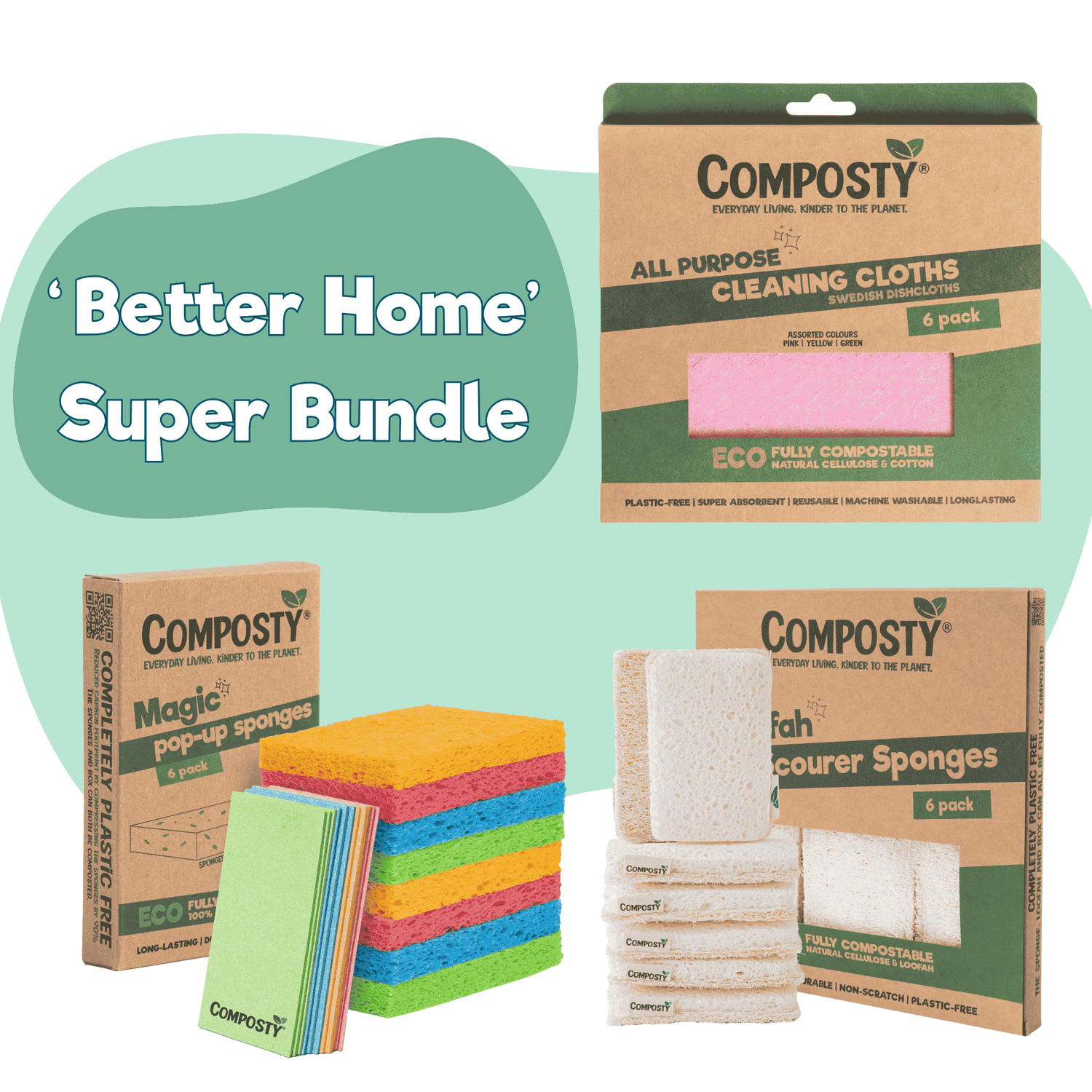



Airbnb Kitchen Essentials Checklist: What Hosts Should Provide
The kitchen is one of the most important rooms in an Airbnb or holiday let. Even guests who do not plan to cook still expect it to feel clean, practical and properly stocked.
A good kitchen setup does not mean filling every cupboard with equipment. It means providing the essentials guests actually use, arranging them clearly, and making the space feel ready for a self-catering stay.
This Airbnb kitchen essentials checklist is designed for hosts, holiday-let owners, serviced accommodation operators and property managers who want a more consistent, guest-ready kitchen setup.
Why the kitchen matters in an Airbnb
The kitchen affects guest experience in three ways.
- Convenience: guests can make breakfast, drinks, snacks and simple meals without frustration.
- Cleanliness perception: the sink, sponge, tea towels, bins and surfaces strongly influence how clean the property feels.
- Listing value: a well-equipped kitchen makes a property feel more useful, especially for families, longer stays and self-catering guests.
Airbnb’s host guidance includes kitchen items such as table settings, coffee maker, kettle, pots and pans, cooking utensils, salt, pepper, cooking oil, washing-up liquid, drying rack and cloth or paper towels. You can read Airbnb’s preparation guidance here: prepare your space for guests.
The golden rule: stock for the stay, not for your own kitchen
Many hosts either under-stock or over-stock their kitchen.
Under-stocked kitchens create guest frustration. Over-stocked kitchens become messy, hard to clean and difficult to manage across changeovers.
The right approach is simple:
- Provide enough for the maximum number of guests.
- Choose durable, easy-to-replace items.
- Avoid fragile or sentimental pieces.
- Keep cupboards organised and uncluttered.
- Make cleaning and restocking easy for changeover teams.
Your Airbnb kitchen should feel generous, but not chaotic.
Airbnb kitchen essentials checklist
Use this as the core kitchen inventory for most holiday lets and short-term rentals.
1. Crockery and tableware
- Dinner plates
- Side plates
- Bowls
- Mugs
- Glasses
- Wine glasses, if appropriate for the property
- Serving bowl or platter
- Table mats or coasters
Stock slightly above your maximum guest count. For example, if your property sleeps four, six of each core item gives guests enough flexibility without overfilling cupboards.
2. Cutlery and utensils
- Forks
- Knives
- Spoons
- Teaspoons
- Sharp kitchen knife
- Bread knife
- Chopping board
- Wooden spoon or spatula
- Tongs
- Peeler
- Tin opener
- Bottle opener
- Corkscrew
- Scissors
These are small items, but missing one can be disproportionately annoying for guests. A missing tin opener or corkscrew is the kind of minor inconvenience that gets remembered.
3. Cookware
- Small saucepan
- Large saucepan
- Frying pan
- Oven tray
- Baking dish
- Mixing bowl
- Colander or sieve
- Measuring jug
Do not overcomplicate cookware unless your property attracts longer-stay or foodie guests. Most short-stay guests need simple, reliable basics.
4. Appliances
- Kettle
- Toaster
- Microwave, if space allows
- Coffee maker or cafetière
- Fridge
- Oven or hob
- Dishwasher, if available
If an appliance is included in your listing, it needs to work reliably and be easy to use. Add simple instructions for anything guests may not immediately understand.
5. Tea, coffee and basic consumables
- Tea bags
- Coffee
- Sugar or sweetener
- Salt
- Pepper
- Cooking oil
- Kitchen roll or reusable alternative
- Foil or baking paper, if useful for your property
You do not need to provide a full pantry. The aim is to remove friction for simple meals, hot drinks and first-night convenience.
Cleaning essentials guests expect in the kitchen
The kitchen cleaning setup is one of the most visible parts of the stay.
Guests expect to be able to wash a mug, wipe a surface, empty a bin and leave the kitchen in reasonable condition. If those basics are missing, they may feel the property has not been properly prepared.
Kitchen cleaning checklist
- Washing-up liquid
- Fresh sponge or washing-up item
- Dish cloth or reusable cloth
- Tea towels
- Drying rack or draining board
- Dishwasher tablets, if there is a dishwasher
- Bin liners
- Recycling bags or clearly labelled bins
- Food waste caddy, if relevant locally
- Hand soap near the sink
This area needs to feel fresh. A tired cloth, old sponge or half-empty unlabelled bottle can make the kitchen feel less clean even when the surfaces have been wiped down.
The sink area: a small detail guests notice quickly
The kitchen sink is a high-attention area. Guests use it early in the stay, often within minutes of arrival.
They notice:
- Whether the sink is clean and dry.
- Whether taps are polished.
- Whether washing-up liquid is available.
- Whether the sponge or cloth looks fresh.
- Whether bins and recycling are obvious.
For hosts, this is an easy win. A neat sink setup gives a stronger first impression and makes the kitchen feel intentionally prepared.
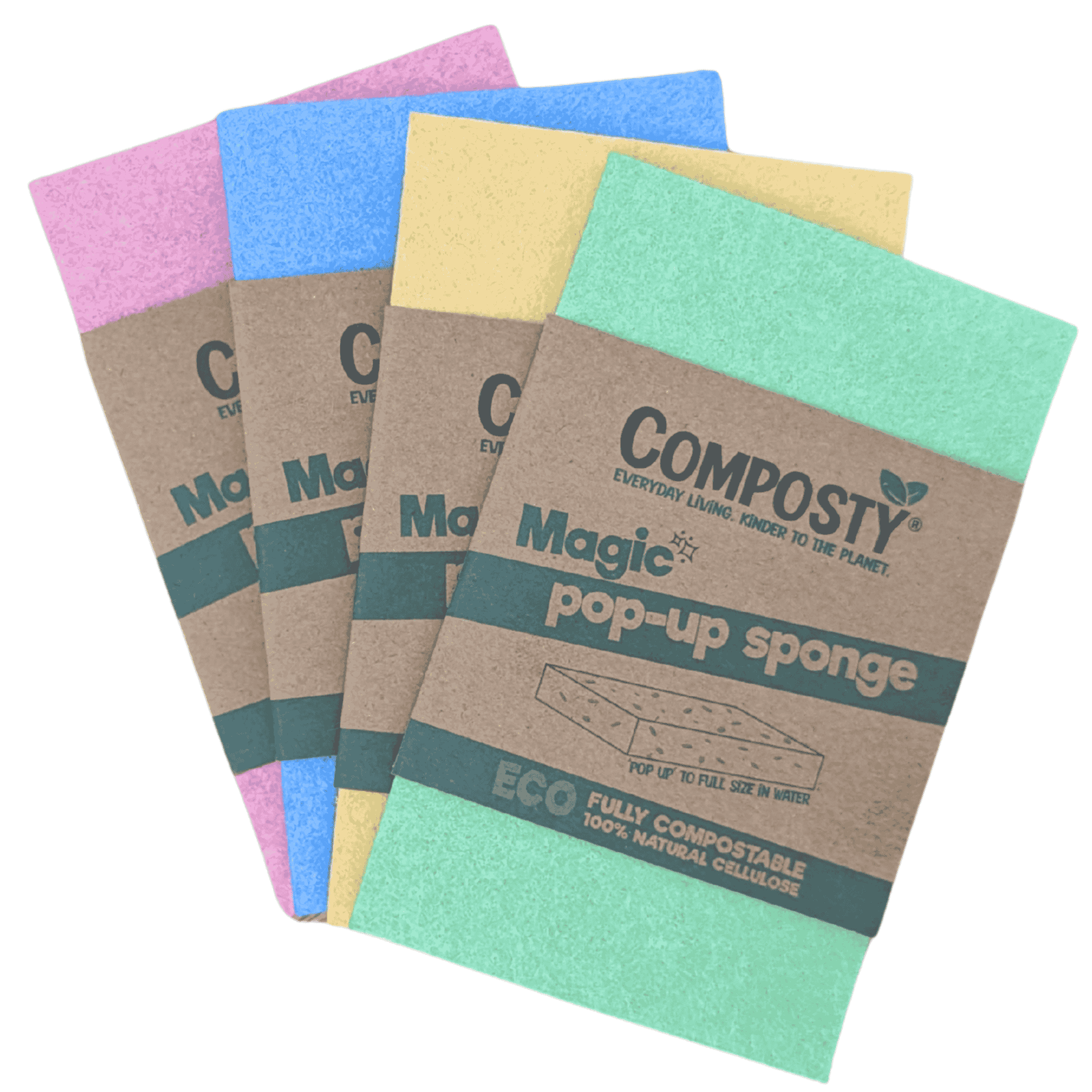
Guest-ready kitchen essential
Make the washing-up area feel fresh from the start
Guests should not have to wonder whether a sponge has already been used by previous guests.
Composty pop-up sponges are individually sleeved, plastic-free and compostable after use. They arrive flat, pop up to full size in water, and help hosts present a fresh washing-up item clearly at every stay.
Better presentation. Easier restocking. Lower-waste kitchen resets.
Self-catering kitchen checklist for longer stays
If your property regularly attracts families, remote workers or guests staying more than a couple of nights, you may need a more complete kitchen setup.
Consider adding:
- More pans and baking trays
- Storage containers
- Larger chopping board
- Extra tea towels
- Measuring spoons
- Grater
- Salad bowl
- Serving spoons
- Children’s plates or cups, if family-friendly
- Cleaning spray for guest use
The longer the stay, the more the kitchen matters. Guests staying for a week are more likely to cook, wash up, store leftovers and use the property as a genuine temporary home.
What not to put in an Airbnb kitchen
A good kitchen is not just about adding things. It is also about removing the wrong things.
Avoid:
- Chipped mugs or plates
- Blunt knives
- Scratched non-stick pans
- Half-used personal food items
- Too many random utensils
- Stained tea towels
- Old sponges or cloths
- Unlabelled bottles
- Overfilled cupboards
Clutter makes cleaning slower and makes the kitchen feel less premium. It also increases the chance of missed dirt, forgotten food and inconsistent resets.
How to organise an Airbnb kitchen for easier changeovers
The best Airbnb kitchens are easy for guests to use and easy for cleaners to reset.
Use clear zones
- Hot drinks zone: kettle, mugs, tea, coffee and sugar.
- Cooking zone: pans, utensils, chopping board and oil.
- Washing-up zone: washing-up liquid, sponge, cloths and drying rack.
- Waste zone: bins, recycling and food waste instructions.
Keep cupboards simple
Guests should not need to hunt for basics. Store similar items together and avoid filling every cupboard.
Make stock easy to count
For property managers, kitchen consumables should be quick to check. If cleaners can see stock levels clearly, they are less likely to run out between stays.
Sustainable Airbnb kitchen ideas
Sustainability in an Airbnb kitchen should be practical. Guests should not feel restricted or lectured.
Good sustainable kitchen swaps include:
- Refillable washing-up liquid.
- Refillable hand soap.
- Reusable cloths for housekeeping teams.
- Clearly labelled recycling bins.
- A simple food waste caddy where supported locally.
- Compostable or lower-waste guest consumables where appropriate.
- Bulk ordering to reduce unnecessary packaging.
Be careful with broad environmental claims. The UK Green Claims Code says environmental claims should be truthful, accurate, clear and not misleading. You can read the guidance here: Green Claims Code.
For more practical ideas, read: How to Make Your Airbnb More Sustainable.
Airbnb kitchen inventory for property managers
If you manage several short-term rentals, consistency matters more than personal taste.
Use a standard kitchen inventory across every property where possible:
- Same number of plates, bowls, mugs and glasses.
- Same core utensils.
- Same cookware standard.
- Same washing-up setup.
- Same guest consumables.
- Same restocking process.
This makes purchasing easier, reduces cleaner confusion and keeps guest experience consistent across your portfolio.
Final Airbnb kitchen checklist
Before every check-in, run through this final list.
- Are worktops clean and uncluttered?
- Is the sink clean, dry and polished?
- Is washing-up liquid available?
- Is there a fresh sponge or washing-up item?
- Are tea towels clean and neatly placed?
- Are bins empty with fresh liners?
- Are recycling instructions clear?
- Are mugs, glasses and plates clean?
- Are pans and utensils usable?
- Are tea, coffee and basics restocked?
- Is the fridge empty, clean and odour-free?
- Does the kitchen feel guest-ready?
Final thought
A well-stocked Airbnb kitchen does not need to be complicated. It needs to be clean, clear and useful.
The best hosts think about how guests actually use the space: making coffee, cooking breakfast, washing a glass, wiping a surface, sorting rubbish and settling in without friction.
When your kitchen essentials are consistent, easy to find and well presented, the whole property feels more professional.
FAQs
What should be included in an Airbnb kitchen?
An Airbnb kitchen should include crockery, cutlery, mugs, glasses, pans, cooking utensils, kettle, toaster, washing-up liquid, tea towels, bin liners, basic cleaning items and simple guest consumables such as tea, coffee, salt and pepper.
Do Airbnb hosts need to provide washing-up liquid?
It is strongly recommended. Airbnb’s host preparation guidance includes washing-up liquid as a kitchen item, and guests generally expect to be able to clean dishes during their stay.
Should Airbnb hosts provide a sponge?
Many hosts provide a fresh sponge or washing-up item for each stay because it helps the kitchen feel cleaner and avoids guests wondering whether an old sponge has already been used.
How many plates and mugs should an Airbnb have?
A practical rule is to stock slightly above the maximum guest count. For example, a property sleeping four could provide six plates, six bowls, six mugs and six glasses.
What kitchen items do guests complain about missing?
Common missing items include corkscrews, tin openers, sharp knives, enough mugs, dishwasher tablets, tea towels, washing-up liquid, bin liners and basic cooking items.
How can I make an Airbnb kitchen more sustainable?
Use refillable products, reduce unnecessary packaging, provide clear recycling, choose lower-waste consumables where suitable and keep the setup simple so guests can use it without confusion.