
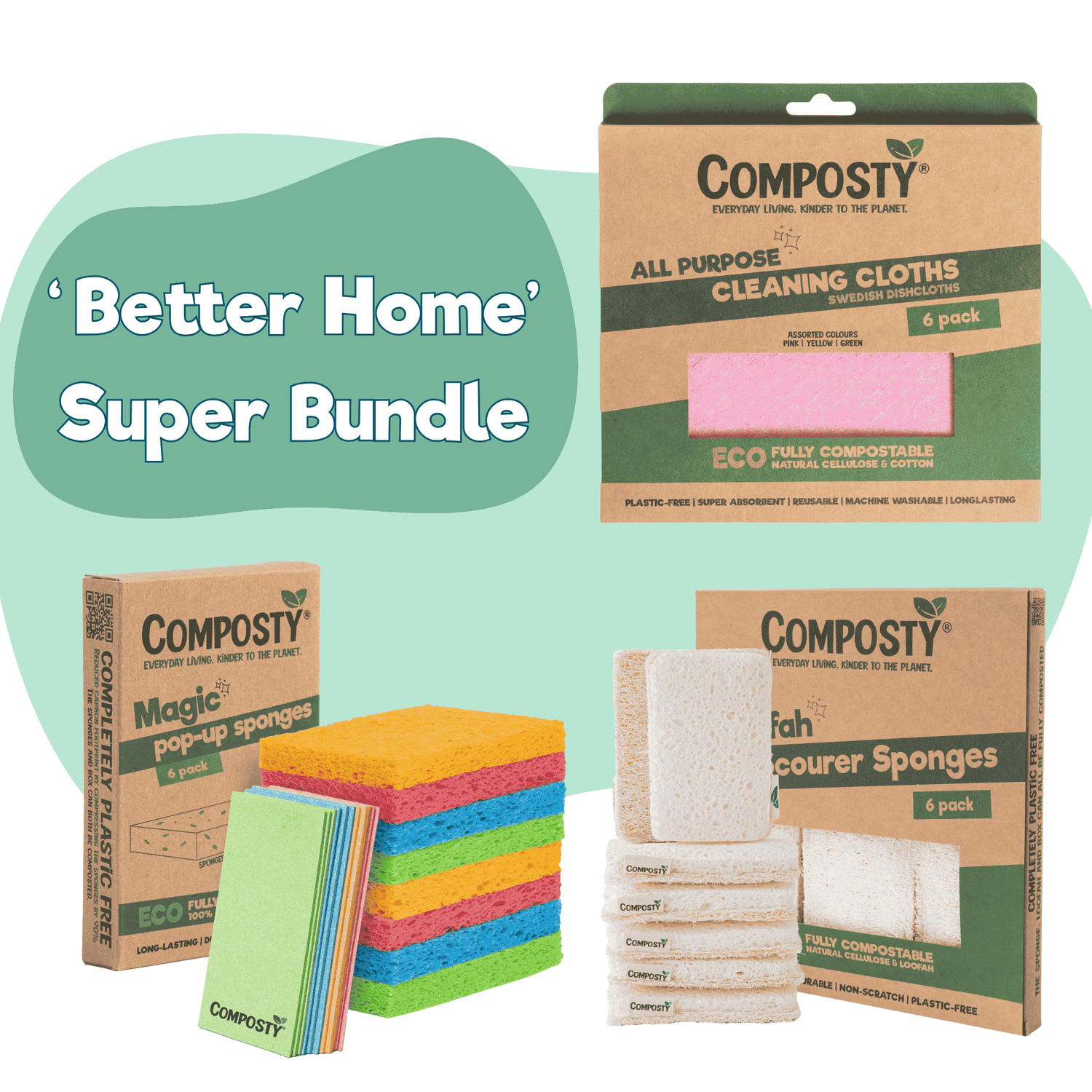



How to Make Your Airbnb More Sustainable (Without Reducing Guest Experience)
Sustainability is becoming a real factor in how guests choose and review Airbnb and holiday let properties. But many hosts assume that being “eco-friendly” means making expensive changes or reducing guest comfort.
In reality, the most effective sustainability improvements are simple, operational and often invisible to guests — while still improving experience, cleanliness and efficiency.
This guide breaks down practical ways to make your Airbnb or holiday let more sustainable without adding complexity or reducing guest satisfaction.
Why sustainability matters for Airbnb hosts
Guests are increasingly aware of waste, packaging and environmental impact — but they still expect comfort and convenience.
The winning approach is not “eco-first design”. It is removing unnecessary waste while improving the stay experience.
Sustainability also has direct operational benefits:
- Lower consumable costs over time
- More efficient housekeeping processes
- Stronger guest reviews
- Better brand positioning for premium listings
What guests actually notice (and what they don’t)
Most guests do not audit sustainability claims. They respond to signals of cleanliness, care and organisation.
They notice:
- Clean, fresh-smelling kitchen and bathroom
- Well-presented essentials
- Clear recycling instructions
- Quality of consumables provided
They do NOT usually notice:
- Hidden supply chain changes
- Behind-the-scenes waste reductions
- Whether products are “eco-certified”
This means the best sustainability improvements are those that improve visible guest touchpoints.
1. Reduce single-use kitchen waste
The kitchen is one of the highest waste areas in short-term rentals because it resets with every guest stay.
Key improvements include:
- Replacing disposable consumables with reusable systems where possible
- Using refillable washing-up liquid and cleaning products
- Reducing unnecessary packaging in welcome items
Even small changes across multiple turnovers create significant waste reduction over time.
2. Upgrade your cleaning consumables
Cleaning supplies are often overlooked in sustainability planning, but they are one of the most frequently replaced items in any Airbnb or holiday let.
The goal is not just reducing waste — it is also improving presentation and consistency.
For example, guests immediately notice whether kitchen cleaning items feel fresh, intentional and well presented.
Loose or unclear consumables can create a lower-quality impression, even if the property itself is high standard.
3. Improve recycling clarity for guests
One of the simplest sustainability wins is making recycling easy for guests.
Many guests are unsure about local systems, especially in short stays or international travel contexts.
Clear instructions reduce contamination and make guests feel more comfortable using bins correctly.
- Simple bin labels
- Short instructions near kitchen bins
- Clear guidance for food waste if applicable
4. Focus on high-impact, high-frequency items
You do not need to redesign your entire property to become more sustainable.
The most effective approach is to focus on items that are:
- Used every stay
- Replaced frequently
- Visible to guests
This includes kitchen consumables, bathroom basics and welcome pack essentials.
5. Improve presentation of everyday essentials
Perception matters as much as product choice.
A well-presented sustainable product is more effective than a hidden “perfect” one.
Guests associate presentation with cleanliness and quality.
This is particularly important for short-term rentals where first impressions are formed immediately on arrival.
6. Avoid overcomplicating sustainability
One of the most common mistakes Airbnb hosts make is overloading guests with sustainability messaging.
Guests are on holiday — they want simplicity.
Better approach:
- Make sustainable choices visible but not overwhelming
- Focus on practical benefits rather than ideology
- Keep instructions short and clear
7. The hidden waste problem in short-term rentals
Most Airbnb waste does not come from guest behaviour — it comes from operational turnover.
Every changeover involves replacing consumables like sponges, cloths, bin liners and cleaning supplies.
This creates a repeat waste cycle that is easy to overlook because it happens behind the scenes.
Reducing this waste has both environmental and operational benefits.
Small operational improvement
Rethinking kitchen consumables
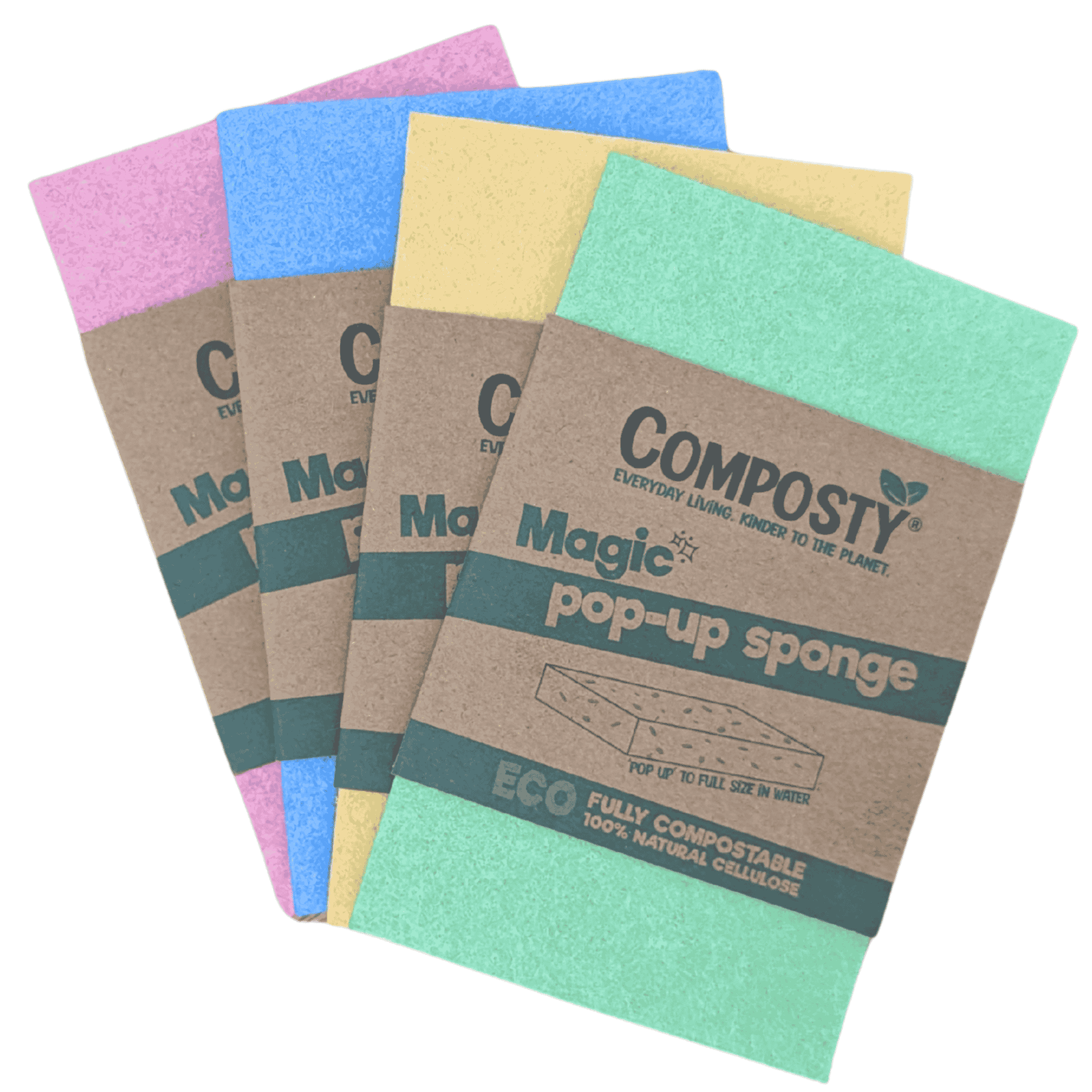
Items like sponges, cloths and cleaning supplies are replaced every turnover, making them one of the most consistent sources of hidden waste in holiday lets and Airbnbs.
Composty pop-up sponges are individually sleeved, plastic-free, and designed for guest-ready presentation. They also reduce storage space and simplify restocking between changeovers.
Small change. Repeated impact.
Final thought
The most effective sustainable Airbnb strategies are not dramatic. They are operational improvements that reduce waste, improve presentation and simplify turnover.
When done correctly, sustainability becomes part of a better guest experience — not a compromise.