



Sustainable Hosting Standards: The Future of Airbnb and Holiday Lets
Sustainable hosting is no longer just a nice extra for Airbnb hosts and holiday-let owners. It is becoming part of how guests judge quality, how operators manage costs, and how accommodation businesses communicate trust.
For years, sustainability in guest accommodation was often treated as a marketing label. A few recycling bins, a mention of “eco-friendly” in the listing, maybe a refillable bottle by the sink.
That is changing. The next stage of sustainable hosting is not about vague green language. It is about practical standards: lower waste, better stock control, clearer guest communication, responsible product choices and claims that can be explained properly.
This guide looks at what sustainable hosting standards mean for Airbnb hosts, holiday lets, serviced accommodation operators and property managers — and how to improve without making the guest experience feel less comfortable.
What are sustainable hosting standards?
Sustainable hosting standards are the practical systems a host uses to reduce unnecessary environmental impact while maintaining a clean, comfortable and professional guest experience.
They are not just about buying “green” products. They include how a property is cleaned, stocked, heated, maintained, communicated and reset between guests.
Good sustainable hosting standards usually cover:
- Energy use
- Water use
- Waste and recycling
- Cleaning and laundry
- Kitchen and bathroom consumables
- Guest communication
- Local sourcing
- Maintenance and durability
- Accurate environmental claims
The best hosts do not treat sustainability as a separate theme. They build it into the way the property operates.
Why sustainable hosting is becoming more important
Guests are increasingly aware of the impact of travel. But that does not mean they want a less comfortable stay.
The opportunity for hosts is to make sustainable choices feel easy, normal and premium.
Airbnb’s own hosting resources say making a home and hosting routine more sustainable can reduce expenses, help a listing stand out and inspire guests. Airbnb also gives examples such as energy efficiency, LED lighting, weatherproofing, smart thermostats and efficient appliances.
VisitBritain and VisitEngland also provide regenerative tourism resources for businesses, including practical tools for improving sustainability and communicating sustainable actions responsibly.
The message is clear: sustainability is becoming part of professional hospitality, not just an ethical add-on.
The problem with vague “eco-friendly” claims
The word “eco-friendly” is widely used, but it is often too vague on its own.
For UK businesses, environmental claims need to be accurate, clear and not misleading. The Green Claims Code is designed to help businesses understand how to make environmental claims responsibly. You can read the guidance here: Green Claims Code: making environmental claims.
For hosts, this means it is usually better to make specific claims rather than broad ones.
Instead of saying:
- “Eco-friendly Airbnb”
- “Green holiday let”
- “Zero-waste stay”
- “Sustainable products throughout”
Use clearer language:
- “Refillable hand soap and washing-up liquid.”
- “Clearly labelled recycling and food waste instructions.”
- “LED lighting throughout the property.”
- “Plastic-free guest sponge, compostable after use.”
- “Locally sourced welcome treats where available.”
Specific claims are more useful for guests and safer for your brand.
Standard 1: Lower-waste changeovers
The biggest sustainability issue in short-term rentals is often the changeover.
Every new stay creates a reset: cleaning, laundry, bins, restocking, replacing guest items and removing leftover food. Over time, small items become a significant source of waste and cost.
Hosts should look at:
- How often consumables are replaced.
- Which products create unnecessary packaging.
- Whether cleaners are using single-use wipes or disposable cloths.
- How much stock is thrown away because it looks tired or unclear.
- Whether kitchen and bathroom supplies are standardised.
For a full breakdown, read: The Hidden Waste Problem in Airbnb and Holiday Lets.
Standard 2: Better energy management
Energy use is one of the clearest areas for improvement because many changes are practical and invisible to guests.
Good energy standards include:
- LED bulbs.
- Clear heating instructions.
- Draught reduction.
- Smart thermostats where appropriate.
- Energy-efficient appliances when replacements are due.
- Simple reminders to turn off lights and heating when leaving.
The key is not to make guests uncomfortable. A cold property will not feel premium just because it uses less energy.
Better energy management should protect comfort while reducing waste.
Standard 3: Refillable systems that look clean
Refillable products can reduce packaging, but only if the system is well managed.
Good refillable options include:
- Hand soap.
- Washing-up liquid.
- Shampoo and body wash in fixed dispensers.
- Cleaning products used by housekeeping teams.
Bad refill systems look messy, unlabelled or unhygienic. That damages guest trust.
Use clean containers, clear labels and a consistent restocking process. Refillables should feel deliberate, not improvised.
Standard 4: Clear recycling and food waste instructions
Recycling is only useful if guests understand what to do.
Many guests are staying for a short time and may not know the local collection rules. Do not expect them to work it out.
Good guest recycling standards include:
- Clearly labelled bins.
- Simple written instructions.
- Food waste caddy where appropriate.
- Local council guidance simplified into plain English.
- No long lecture-style notes.
The goal is to make the correct action obvious.
Standard 5: Sustainable kitchen essentials
The kitchen is one of the strongest places to show sustainable hosting in a practical way.
Guests use the kitchen early in the stay. They notice the sink, bins, tea towels, washing-up liquid, mugs, coffee setup and how easy the space is to use.
Useful sustainable kitchen standards include:
- Refillable washing-up liquid.
- Fresh guest-ready washing-up item.
- Reusable cloths for housekeeping teams.
- Clear recycling and food waste instructions.
- Durable crockery and cookware.
- Tea and coffee with sensible packaging.
- Compact stock storage for changeover teams.
For a complete kitchen setup, read: Airbnb Kitchen Essentials Checklist: What Hosts Should Provide.
Practical sustainable hosting
Start with the small items guests actually notice
Sustainable hosting works best when it improves the stay, not when it creates extra work for guests.
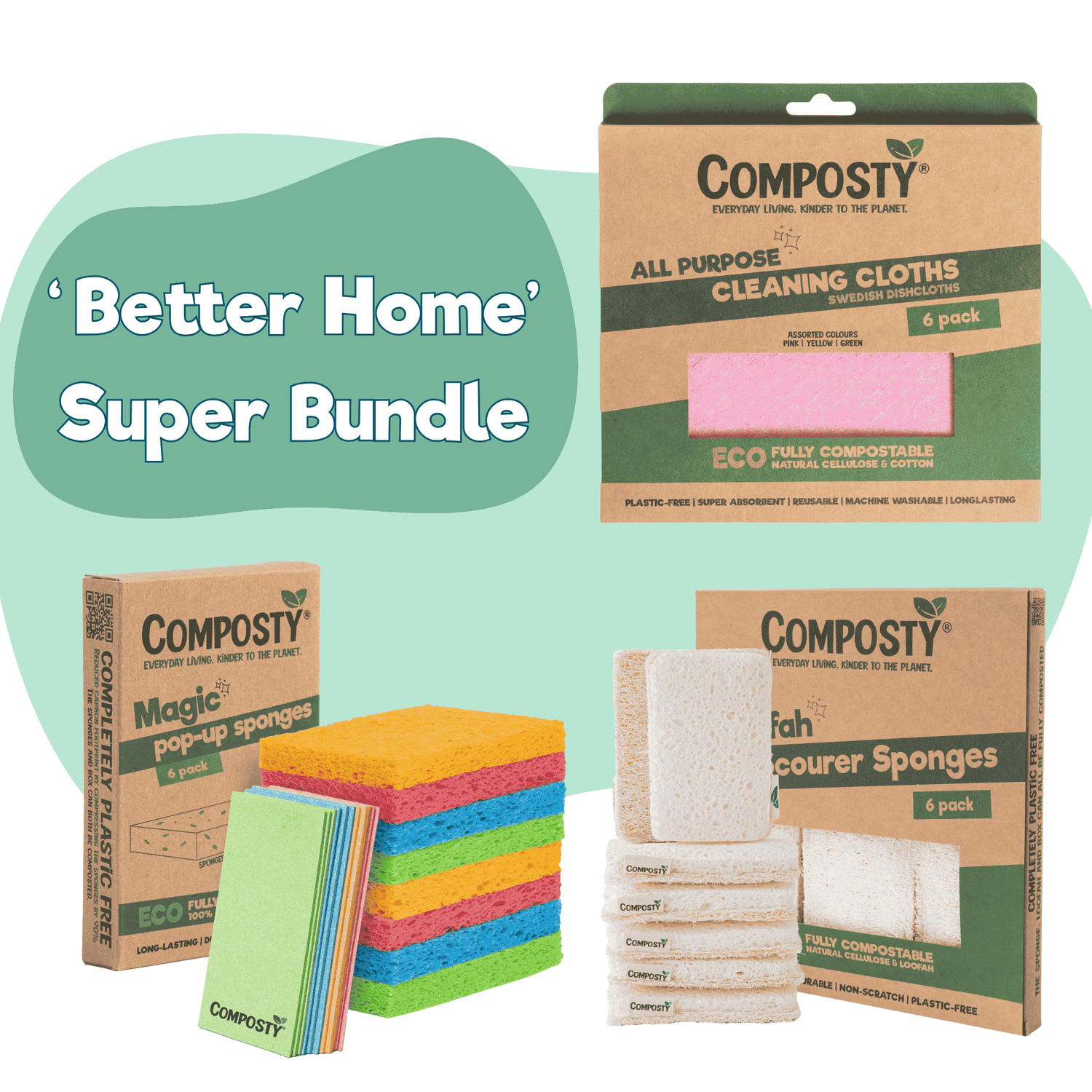
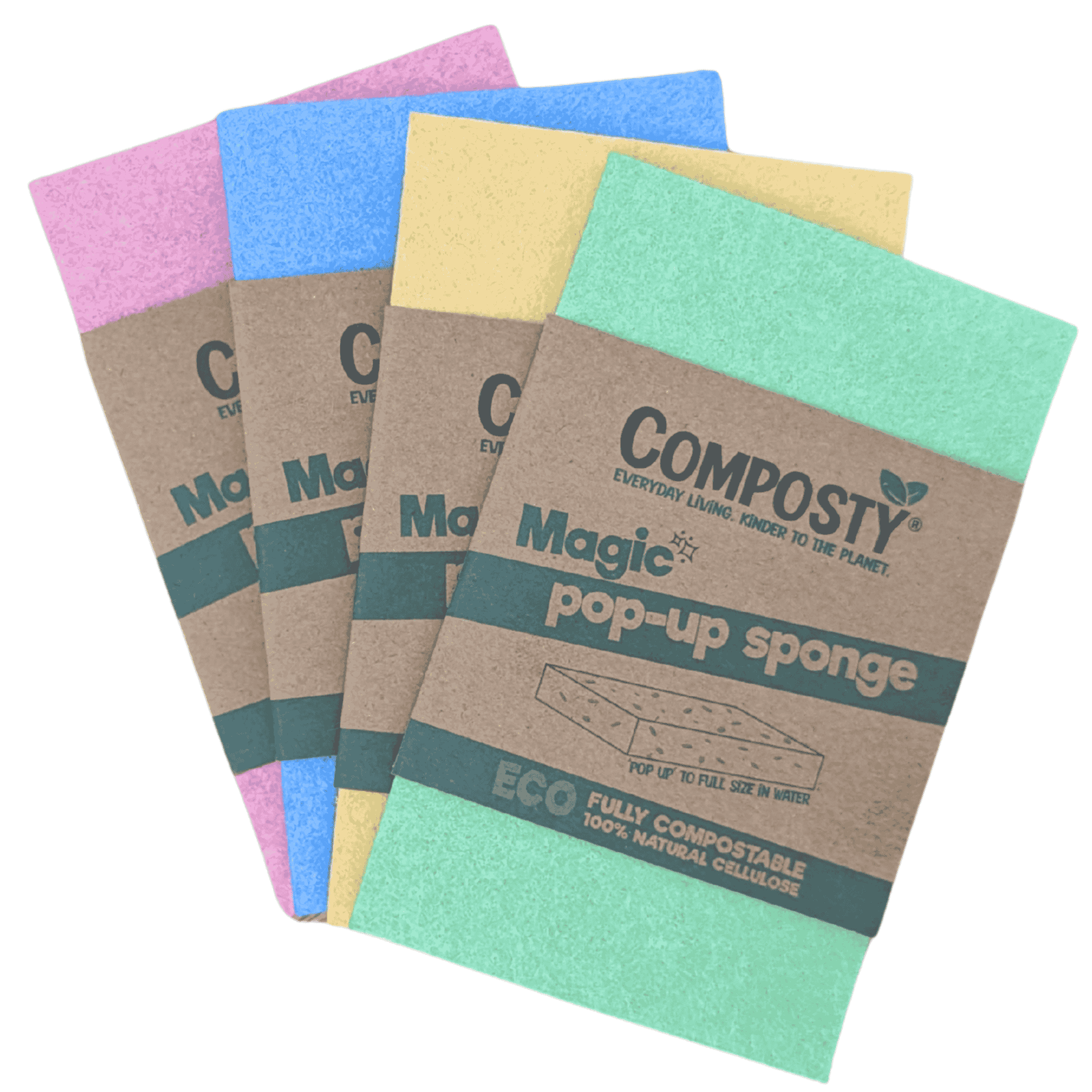
Composty pop-up sponges are individually sleeved, plastic-free and compostable after use. They arrive flat, pop up to full size in water, and help hosts present a fresh kitchen essential clearly at every stay.
Better presentation. Less cupboard bulk. Lower-waste guest essentials.
Standard 6: Durable, repairable guest spaces
Sustainability is not only about consumables. It is also about buying less often.
Durable guest spaces reduce waste, maintenance time and replacement costs.
Think about:
- Hard-wearing flooring.
- Washable sofa covers.
- Mattress and pillow protectors.
- Durable towels and linens.
- Easy-to-clean wall finishes.
- Furniture that can be repaired rather than replaced.
Cheap products are often expensive when they need constant replacing.
Standard 7: Local and low-packaging welcome touches
Guests like thoughtful welcome details, but welcome packs can become packaging-heavy.
A more sustainable welcome pack might include:
- One good local treat instead of several individually wrapped items.
- Tea and coffee in simple, tidy containers.
- A reusable tray or basket.
- Digital guest information instead of excessive printouts.
- Local recommendations that support nearby businesses.
The commercial advantage is clear: local touches can feel more premium while reducing generic throwaway packaging.
For more ideas, read: Sustainable Welcome Pack Ideas for Airbnb and Holiday Lets.
Standard 8: Guest communication that is simple
Sustainability messaging should not feel like homework.
Guests are there to relax, work, visit family or explore. They do not want a long rulebook.
Use short, practical messages:
- “Please use the food waste caddy for food scraps.”
- “Recycling goes in the green bin outside.”
- “The hand soap and washing-up liquid are refillable.”
- “Please turn heating down when you go out.”
Keep the tone helpful, not preachy.
Standard 9: Cleaner-friendly sustainability
If your sustainability system slows cleaners down, it will fail.
Housekeeping teams need simple, repeatable processes.
Make sure cleaners know:
- What gets replaced every stay.
- What gets refilled.
- Where stock is stored.
- How much stock should be left for guests.
- What to report when supplies are low.
- Which products are guest-facing and which are cleaner-use only.
Sustainable hosting must work on turnover day, not just in a strategy document.
Standard 10: Measured improvement
Hosts do not need to perfect everything immediately.
A better approach is to measure improvement over time.
Track:
- Energy use.
- Water use if practical.
- Consumables cost per stay.
- Waste and recycling issues.
- Cleaner feedback.
- Guest comments mentioning sustainability or supplies.
- Replacement frequency for linens, towels and kitchen items.
What gets measured gets easier to improve.
Sustainable hosting checklist
Use this checklist to review your current setup.
- LED lighting throughout the property.
- Clear heating and appliance instructions.
- Refillable hand soap where practical.
- Refillable washing-up liquid.
- Fresh guest-ready kitchen washing-up item.
- Reusable cloths for housekeeping teams.
- Clearly labelled recycling bins.
- Food waste caddy where locally supported.
- Simple guest sustainability note.
- Lower-packaging welcome pack.
- Durable linens and towels.
- Compact, organised stock storage.
- Cleaner restocking checklist.
- Specific, accurate environmental claims.
What to avoid
Sustainable hosting can go wrong when it becomes vague, performative or inconvenient.
Avoid:
- Making claims you cannot explain.
- Using “eco-friendly” without specifics.
- Removing useful guest basics.
- Leaving confusing recycling instructions.
- Using refillable bottles that look unclean.
- Overloading guests with rules.
- Choosing products cleaners dislike using.
- Buying cheap items that need replacing quickly.
The best standard is simple: reduce waste and improve the stay at the same time.
How property managers should approach sustainable hosting
For property managers, sustainability needs to be portfolio-wide.
Focus on systems:
- Standardised guest consumables.
- Centralised ordering.
- Minimum stock levels.
- Cleaner training.
- Property-specific recycling notes.
- Energy and maintenance checks.
- Consistent guest messaging.
- Claims approved centrally before being used in listings.
This avoids each property drifting into a different standard.
Final thought
The future of sustainable hosting is practical, specific and operational.
It is not about making every stay perfect. It is about improving the repeat systems that happen again and again: cleaning, restocking, energy use, waste, guest communication and product choices.
Hosts who get this right will not just look more sustainable. They will usually be easier to manage, easier to restock and more consistent for guests.
That is the real opportunity: sustainable hosting that protects reviews, reduces waste and supports a better-run business.
FAQs
What are sustainable hosting standards?
Sustainable hosting standards are the practical systems a host uses to reduce waste, manage energy and water, choose responsible products, communicate clearly with guests and maintain a high-quality stay.
How can Airbnb hosts make their property more sustainable?
Hosts can start with LED lighting, refillable soap and washing-up liquid, clear recycling, lower-waste welcome packs, durable linens, reusable housekeeping cloths and better stock control.
Should I describe my Airbnb as eco-friendly?
Be careful with broad terms like “eco-friendly”. It is better to make specific claims you can explain, such as refillable hand soap, LED lighting, clear recycling or plastic-free guest sponges.
Do sustainable hosting upgrades improve guest experience?
They can, if done well. The best upgrades make the stay feel cleaner, more thoughtful and easier to use without adding extra work for guests.
What is the easiest sustainable hosting upgrade?
The easiest starting points are usually refillable hand soap, refillable washing-up liquid, clearer recycling instructions and a better kitchen reset process.
How can property managers apply sustainable hosting standards across multiple lets?
Property managers should standardise supplies, centralise ordering, train cleaners, set minimum stock levels, use consistent guest messaging and approve environmental claims centrally.